 (Image source: Gemini)
 The definition of being "ready" for college has undergone a massive transformation over the last couple of years. If you graduated high school a decade ago, readiness meant having a decent GPA and a solid SAT score. Today, those metrics feel like relics of a different era. The goalposts have moved because the world you are entering is fundamentally different. So what does this actually mean for you? It means that showing up with a backpack and a syllabus isn't enough anymore. We are living in an era where 92% of your peers are using Artificial Intelligence as their primary research partner. The workforce isn't just looking for a diploma. They are looking for "skills-first" proof that you can actually do the job. To thrive, you need a dual-focus approach that balances academic grit with professional agility.
Redefining College Readiness
We have moved past the era where a degree was a golden ticket. Think of your college experience as a high-performance lab rather than just a series of lectures. The requirements for the workforce in 2026 demand that you are digitally fluent from day one. It's no longer about memorizing facts that you can find in three seconds via an AI prompt. It's about how you synthesize that information.
The shift is real, and it is fast. You are preparing for a career environment that prizes your ability to adapt more than your ability to test well. This doesn't mean grades don't matter, but it does mean they aren't the only thing on the scoreboard. You need to enter your freshman year with the mindset of a professional in training, not just a student in waiting.
Building Foundational Academic Resilience
Academic success often has very little to do with how "smart" you are. It has everything to do with your executive functioning. This is basically your brain's air traffic control system. It's how you organize, prioritize, and actually start the tasks you've been procrastinating on. Many students struggle because they haven't mastered the art of "Time Blocking." This is the practice of treating your study sessions as non-negotiable appointments. If you wouldn't stand up a friend for coffee, don't stand up your 2:00 PM chemistry review.
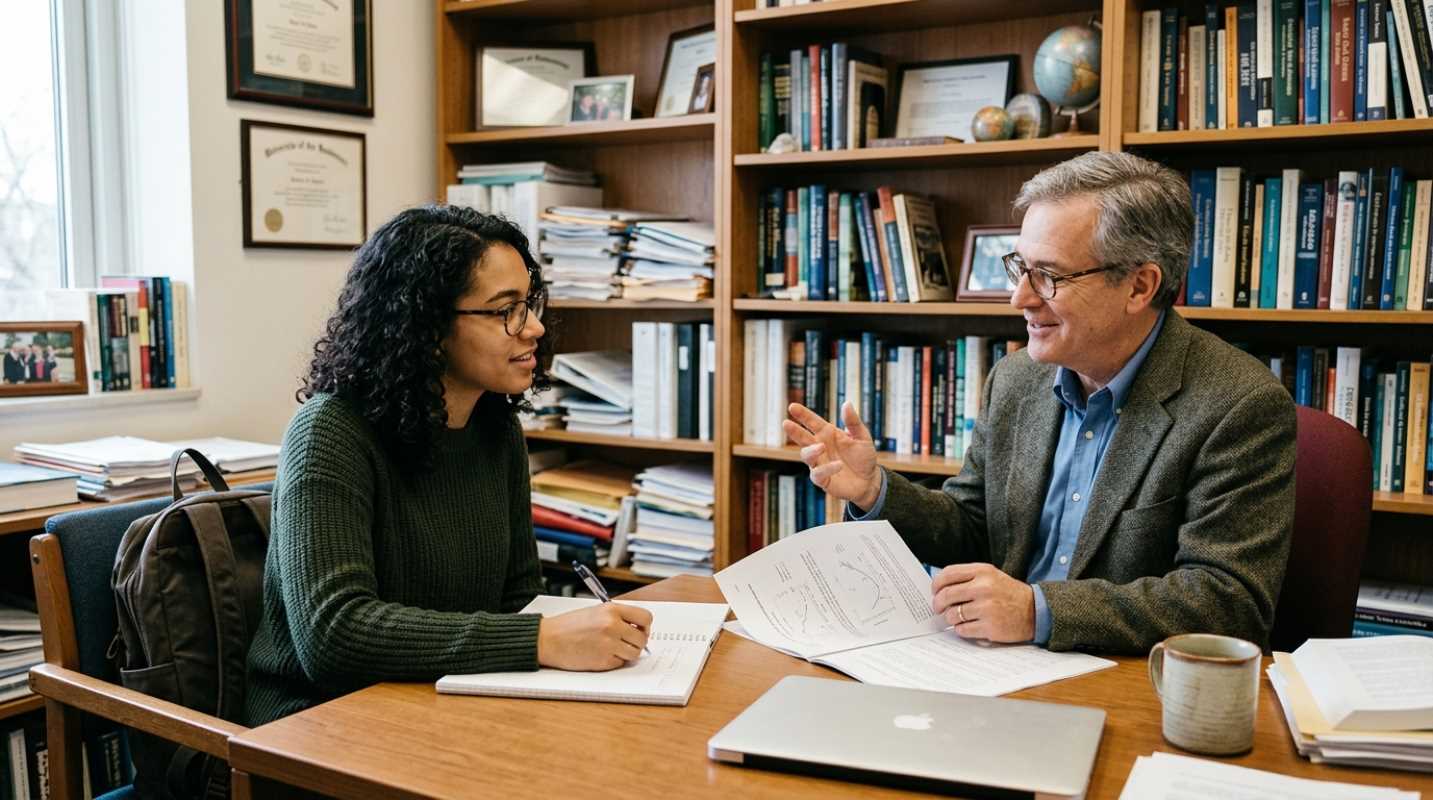
You also need to be proactive with the humans on campus, not just the software. Research shows that identifying at-risk students within the first three weeks of enrollment is the biggest factor in whether they actually graduate. Don't wait until you've failed a midterm to meet your professor. Go to office hours in week two just to introduce yourself. Ask about their research. This kind of proactive communication builds a safety net before you even need one.
Campus support services are another underused gold mine. Whether it's the writing center or a peer tutoring group, the most successful students are the ones who use these resources when they are already doing okay, not just when they are drowning. It's the difference between routine maintenance on a car and waiting for the engine to explode on the highway.
Bridging the Gap Between Classroom and Career
The "degree-only" era has officially transitioned into an economy that values verified competencies. One of the biggest trends right now is the use of Learning and Employment Records, or LERs. Think of these as digital wallets that verify specific skills you've picked up, which you can then show directly to employers.¹ Instead of a vague line on a resume about being "good with data," an LER provides proof of a micro-credential you earned in a specific software.
You should also be looking at "micro-internships" and undergraduate research early on. Waiting until your junior year to think about a career is a mistake. Even a short, two-week project for a company can give you a massive edge. Completing just one internship can increase your chances of landing a college-level job by over 20%.
Your digital footprint is your new resume. Before you even finish your sophomore year, you should have a professional LinkedIn profile and, depending on your field, a GitHub or a portfolio. About 35% of professionals find their roles through connections made during their college years. If you aren't visible online, you are invisible to the modern job market.
Building Needed Soft Skills for the Future Workplace
Although everyone is talking about AI, the real premium is being placed on "human" skills. In a recent look at what employers want, digital transformation topped the list, but resilience and emotional intelligence (EQ) were right behind it. Resilience isn't just about "toughing it out." It's about collaborative problem-solving and knowing how to bounce back when a project fails.
If you are an introvert, the word "networking" might make you want to hide in the library stacks. But networking in 2026 is less about awkward cocktail parties and more about finding your "affinity-based" groups. These are people who share your specific interests. It's much easier to build a professional brand when you are talking to people who are actually excited about the same niche topics you are.
Adaptability is your greatest asset. The tools you use as a freshman might be obsolete by the time you are a senior. Being a lifelong learner means you aren't just learning a subject. You are learning how to learn. This agility is what will keep you employed when the next big technological shift happens.
Financial and Mental Well-being as Success Pillars
You cannot succeed academically if you are financially stressed or mentally exhausted. Financial literacy is a core part of college prep that people often skip. You need to understand the mechanics of your student loans and how to manage a budget before you get your first refund check.
Mental health is the other side of that coin. Although severe depression rates among students have seen a slight dip recently, loneliness is at an all-time high. Over 50% of students report feeling significant levels of loneliness. This is why "affinity-based peer support" is so important. Connecting with a club, a sports team, or a hobby group is actually a retention approach. It keeps you grounded when the academic pressure ramps up.
Creating a sustainable work-life-study balance is the only way to prevent burnout. You have to schedule your "off" time just as strictly as your "on" time. If you don't pick a day to rest, your body will eventually pick it for you, and it usually happens at the most inconvenient time possible.
Your Proactive Roadmap to Success
The most important thing you can do is take ownership of your trajectory. College is not something that happens to you. It is something you handle with intentionality. The students who succeed are the ones who realize that the transcript is only half the story. The other half is the network you build, the skills you verify through LERs, and the resilience you develop by stepping outside your comfort zone.²
Don't be afraid to pivot if you find that your initial path isn't working. The modern economy rewards those who can recalibrate. Start early, use the tools available to you, and remember that your education is a platform for your professional life, not just a four-year detour. You have the tools and the data to make this the most productive era of your life. Now, it's just about taking that first proactive step.
This article on kaptinklunk.com is for informational and educational purposes only. Readers are encouraged to consult qualified professionals and verify details with official sources before making decisions. This content does not constitute professional advice.