 (Image via
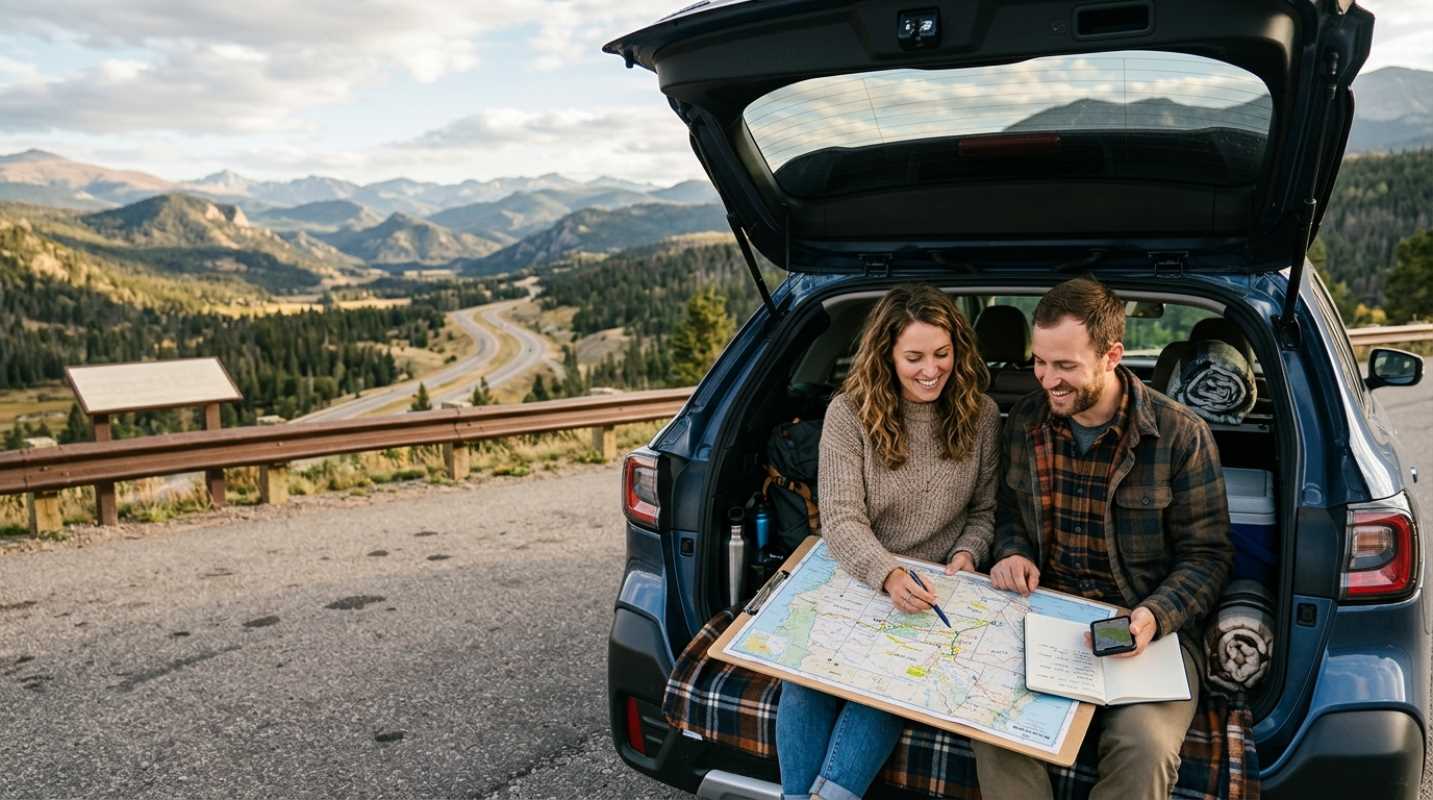
The playlist is curated, the snacks are packed, and the route is mapped out. The excitement of a long road trip is unlike any other—the freedom of the open highway, the anticipation of new sights, and the joy of the journey itself. But before you pull out of the driveway and head toward the horizon, there is one crucial step that ensures your adventure stays memorable for all the right reasons: checking your vehicle.
Taking the time to perform a few mechanical preparedness checks is the best insurance policy you can have for a road trip. It gives you the peace of mind to focus on the fun rather than worrying about what’s rattling under the hood. Whether you are a car enthusiast or someone who barely knows where the dipstick is, this guide is for you!
Let’s pop the hood and get your vehicle ready to conquer the miles ahead.
Tires: The Foundation of Your Journey
Your tires are the only point of contact between your car and the road, so giving them some love is priority number one. A blowout or a flat tire can put a serious damper on your schedule, but a quick inspection can prevent most issues.
Check the Pressure
Proper inflation is key for safety and fuel efficiency. Under-inflated tires generate more heat, which can lead to blowouts, and they also drag down your gas mileage.
- Find the Number: Don't look at the number on the tire sidewall (that's the maximum). Open your driver’s side door and look for a sticker on the jamb that lists the recommended PSI (pounds per square inch).
- Measure Cold: For the most accurate reading, check the pressure when the tires are "cold," meaning the car hasn't been driven for a few hours.
- Don't Forget the Spare: There is nothing worse than getting a flat and realizing your spare tire is flat, too! Give it a check to ensure it’s ready for duty.
Inspect the Tread
Good tread pushes water away from the tire, keeping you safe in rain. If your tires are bald, you lose traction.
- The Penny Test: Take a penny and insert it into the tread groove with Lincoln’s head facing down. If you can see all of Lincoln’s head, your tread is too low, and it’s time for new tires.
- Look for Damage: Scan the sidewalls for any bubbles, cuts, or cracks. Uneven wear patterns might also indicate alignment issues.
Fluids: The Lifeblood of Your Car
Your engine relies on various fluids to cool, lubricate, and power its systems. Checking these is usually as simple as looking at a transparent reservoir or pulling a dipstick.
Engine Oil
Oil lubricates the moving parts of your engine. Without it, things grind to a halt—literally.
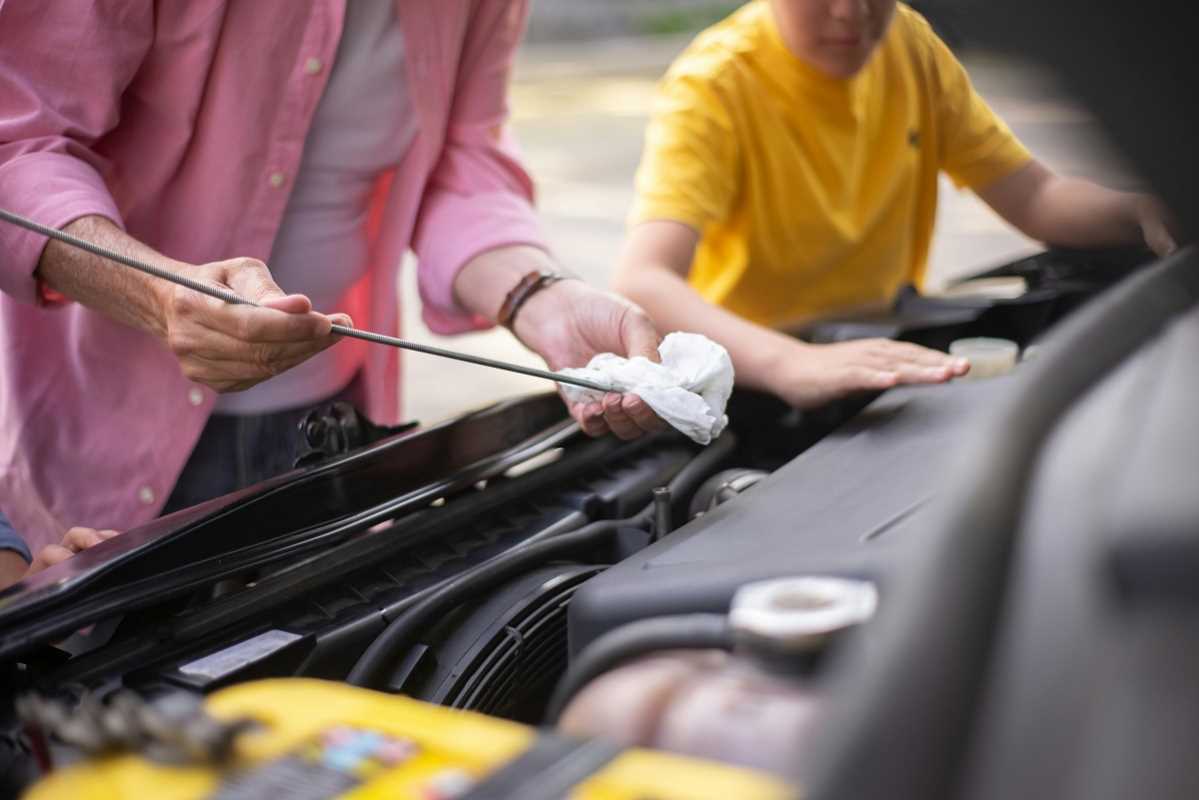
- Check the Level: Park on level ground, pull the dipstick, wipe it clean, reinsert it, and pull it again. The oil should be between the "low" and "full" marks.
- Check the Color: Fresh oil is amber. If it looks black, gritty, or milky, you might need an oil change or a mechanic’s opinion before you leave.
Coolant (Antifreeze)
This fluid keeps your engine from overheating, which is especially important during summer road trips or long climbs up mountain passes.
- The Reservoir Check: Locate the clear plastic tank under the hood. The fluid level should be between the minimum and maximum lines.
- Safety Tip: Never open the radiator cap while the engine is hot! The system is under pressure and can cause serious burns.
Brake Fluid
Your brakes are your most important safety feature.
- Look at the Level: Check the reservoir cylinder near the back of the engine bay. If the fluid is below the mark, have your brakes checked immediately, as this could indicate a leak or worn pads.
- Color Check: Brake fluid should be relatively clear or yellowish. If it looks dark like coffee, it may have absorbed moisture and needs flushing.
Windshield Washer Fluid
It seems minor until you hit a swarm of bugs or a dusty trail! Top this off so you always have clear visibility.
Battery Health: Powering Your Adventure
A dead battery is one of the most common reasons for roadside assistance calls. Avoid the dreaded "click-click-click" of a car that won't start by giving your battery a once-over.
- Clean the Terminals: Look for white or green powdery corrosion around the battery posts. You can clean this off with a wire brush and a mixture of baking soda and water. Corrosion can block the flow of electricity.
- Secure the Connection: Make sure the cables are tight and not wiggling on the terminals.
- Age Matters: If your battery is more than three years old, it’s smart to have it tested. Most auto parts stores will test your battery voltage for free to tell you how much life is left in it.
Belts and Hoses: The Unsung Heroes
Rubber degrades over time, especially under the high heat of an engine. A snapped belt or a burst hose can leave you stranded instantly.
- Squeeze the Hoses: When the engine is cool, squeeze the radiator hoses. They should feel firm, not spongy or overly hard. Look for any cracks, bulges, or leaks around the clamps.
- Inspect the Belts: Look at your serpentine belt (the long belt that winds around various pulleys). Check for fraying, cracks, or a glazed, shiny appearance. If it looks worn, replace it before you go. It’s a relatively cheap fix that prevents a major headache.
Lights and Wipers: Seeing and Being Seen
Visibility is everything, especially if you plan on driving at night or through varying weather conditions.
- The Walk-Around: Have a friend sit in the car while you walk around it. Check the headlights (high and low beams), turn signals, taillights, and reverse lights.
- Brake Lights: Ensure all brake lights, including the center mount light, are illuminating instantly when the pedal is pressed.
- Wiper Blades: If your wipers are leaving streaks, skipping across the glass, or making squeaking noises, swap them out. New blades are affordable and easy to install yourself.
The Emergency Kit: Be Ready for Anything
Even with perfect preparation, the unexpected can happen. A well-stocked emergency kit turns a potential crisis into a manageable situation.
Pack a box or bag with these essentials:
- Jumper Cables: Or a portable lithium jump starter pack.
- Flashlight: With extra batteries.
- First Aid Kit: Bandages, antiseptic, pain relievers.
- Basic Tools: Screwdrivers, pliers, and a wrench set.
- Duct Tape: The universal fix-it tool!
- Gloves and Rags: For checking hot or dirty components.
- Reflective Triangle or Flares: To warn other drivers if you are pulled over.
- Water and Non-Perishable Snacks: Just in case you have to wait a while for a tow truck.
When to Call the Pros
If you are not comfortable performing these checks yourself, or if you notice something that feels "off"—like a strange vibration, a squealing noise, or a check engine light—don't hesitate to schedule a professional inspection.
Many mechanics offer a "pre-trip inspection" service. Think of it as a physical for your car. They will put it up on the lift, check the suspension, brakes, and exhaust, and spot potential issues that an untrained eye might miss. It is a small investment that pays off in safety and reliability.